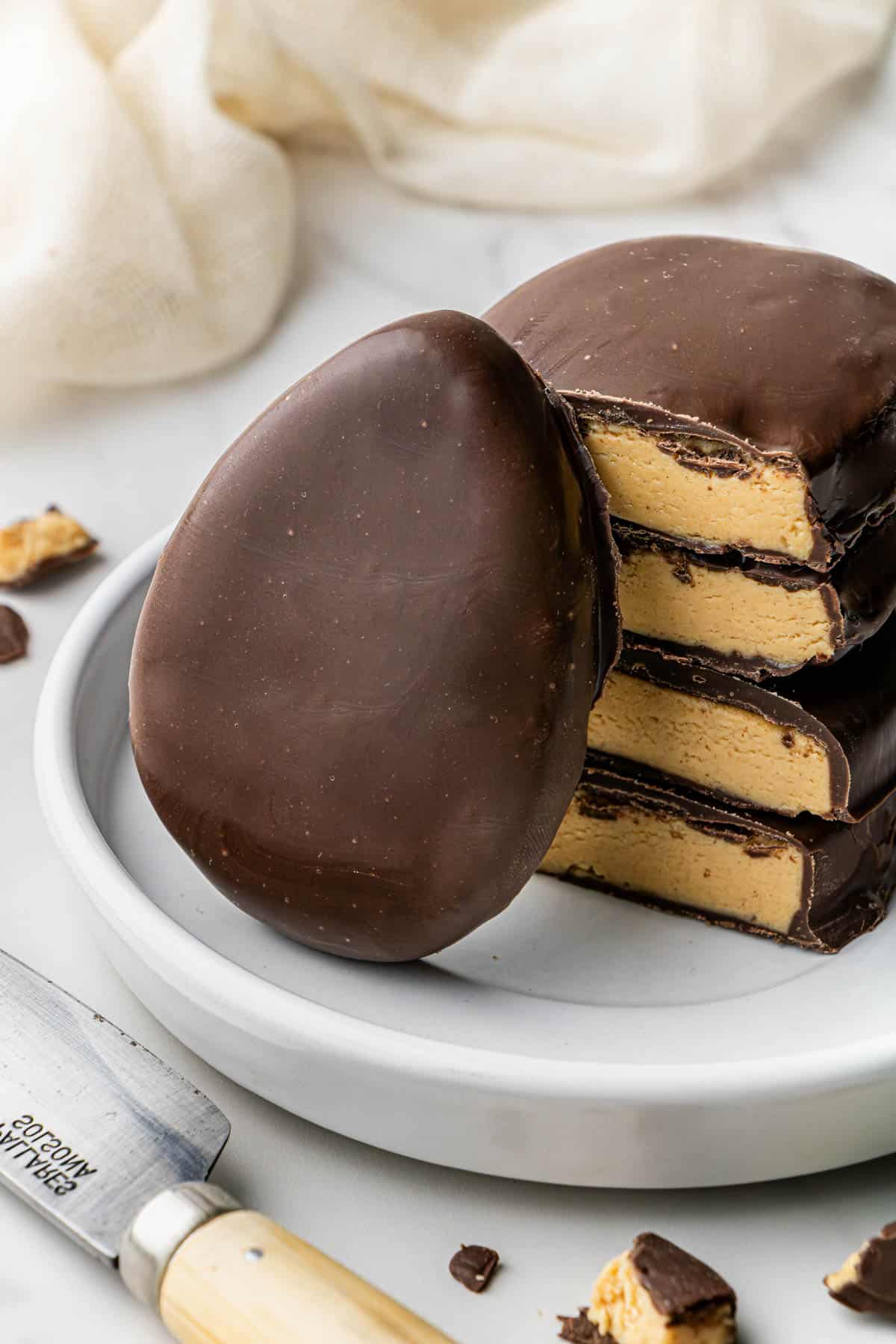
Easter brings with it a delightful assortment of traditions, and for many, that includes the beloved chocolate and peanut butter combination. While store shelves are stocked with tempting treats, there’s an undeniable magic in homemade peanut butter eggs that simply can’t be replicated. Imagine a rich, creamy peanut butter center enveloped in a luscious chocolate shell, crafted with love right in your own kitchen. Best of all? This dream isn’t far-fetched. With just three core ingredients and a little bit of time, you can create a batch of Reese's copycat peanut butter eggs that are not only superior to their store-bought counterparts but also evoke a beautiful sense of childhood nostalgia.
These aren't just any peanut butter eggs; they're the kind that recall church bake sales, family gatherings, and the simple joy of a perfectly balanced sweet treat. Forget complicated recipes or long lists of obscure ingredients. We're talking about a shockingly easy, no-bake method that delivers big on flavor and charm. Get ready to transform basic pantry staples into an Easter masterpiece that will disappear faster than you can say "Happy Easter!"
Why Homemade Peanut Butter Eggs Reign Supreme This Easter
There's a reason why homemade versions of classic candies often outshine their commercially produced cousins, and peanut butter eggs are a prime example. While a certain popular brand holds a special place in our hearts, the act of making these treats from scratch elevates the experience entirely. For starters, you gain complete control over the quality of ingredients. You can choose your favorite creamy peanut butter, opt for high-quality chocolate, and adjust the sweetness to your liking, resulting in a depth of flavor and a superior texture that pre-packaged versions often lack.
Beyond the taste, there's a powerful emotional connection. For many, these homemade chocolate peanut butter eggs are more than just a dessert; they're a direct link to cherished memories. Known affectionately as "Church Eggs" or "Amish eggs" in some regions, these confections were a staple at community fundraisers and family kitchens, embodying the spirit of sharing and tradition. Granny's kitchen often produced the best ones, made with care and shared generously. The sensory experience – the smooth, rich chocolate cracking to reveal a perfectly creamy, melt-in-your-mouth peanut butter filling – isn't just a treat for your taste buds; it's a taste of history, a bite of pure, unadulterated nostalgia.
Moreover, the simplicity of this 3-ingredient Easter treat makes it incredibly accessible. You don't need expert baking skills or fancy equipment. The joy of creating these delightful eggs, especially with little helpers, becomes an Easter tradition in itself. Whether you're filling Easter baskets, preparing for a class party, or simply indulging in a well-deserved snack, homemade Reese's copycat peanut butter eggs offer a level of satisfaction and flavor that makes them truly unbeatable.
The Simple Secret: Mastering Your 3-Ingredient Peanut Butter Filling
The heart and soul of these incredible peanut butter eggs lies in their unbelievably simple, yet perfectly balanced, filling. The magic happens with just two main components: peanut butter and powdered sugar. When combined correctly, these create a dense, sweet, and supremely creamy core that is utterly irresistible. Let's delve into the nuances of crafting this essential element.
Choosing Your Peanut Butter
- Conventional vs. Natural: Both work beautifully, but there's a slight difference. Conventional peanut butter (like Jif or Skippy) tends to be smoother and thicker, requiring less adjustment. Natural peanut butter, with its oil separation, might need a bit more powdered sugar to achieve the desired consistency. Whichever you choose, ensure it's well-stirred if it's a natural variety.
- Creamy is Key: For that signature smooth texture, opt for creamy peanut butter. Crunchy might add an interesting element, but it diverges from the classic Reese's copycat experience.
The Powdered Sugar Effect
Powdered sugar (confectioners' sugar) is crucial here, not granulated sugar. Its fine texture dissolves easily into the peanut butter, preventing any grittiness and contributing to that silky-smooth mouthfeel. Start by beating your peanut butter, then gradually add the powdered sugar. The mixture will initially look crumbly, almost like wet sand. Don't panic! Continue mixing, and it will eventually come together into a firm, pliable dough.
The "Third Ingredient" and Its Role
While the core is peanut butter and powdered sugar, sometimes a tiny touch of liquid is needed to achieve the perfect consistency, especially if your peanut butter is very thick or the air is dry. This is where our "third ingredient" comes in, acting as a binding agent. Historically, a small amount of evaporated milk was used for extra creaminess. However, opening a whole can for a tablespoon or two can feel wasteful. A little water works just as well without altering the taste significantly. Add it in very small increments – a teaspoon at a time – until your peanut butter filling comes together into a cohesive, moldable dough. The goal is a texture that holds its shape when pressed but isn't sticky. A stand mixer or a hand mixer makes this process incredibly easy, ensuring everything is well combined.
Crafting the Perfect Chocolate Shell: Dipping & Decorating Techniques
Once your luscious peanut butter filling is perfectly prepared and shaped into charming egg forms, the next step is to give them their iconic chocolate coating. This is where your homemade chocolate peanut butter eggs truly take on their festive Easter appearance. While dipping can seem daunting, with a few simple tricks, you'll achieve a smooth, professional-looking shell every time.
Choosing Your Chocolate
For ease and excellent results, opt for chocolate melting wafers or a good quality chocolate bar. These are designed to melt smoothly and set firmly, providing that satisfying snap when bitten. While regular chocolate chips can be used, they sometimes require a bit of shortening or coconut oil to achieve the ideal dipping consistency. Tempering chocolate for a truly professional sheen is an option for the ambitious, but for a delightful 3-ingredient Easter treat, simply melting it carefully will suffice. Use a double boiler or microwave in short bursts, stirring frequently, to prevent scorching.
The Art of Dipping
- Chill Your Eggs: Ensure your peanut butter eggs are well-chilled before dipping. This helps them retain their shape and prevents the chocolate from melting the filling.
- Tools of the Trade: A fork, a candy dipping tool, or even a toothpick can be your best friend here. Spear an egg gently, dip it into the melted chocolate, ensuring full coverage.
- Excess Removal: Gently tap the fork against the side of your bowl to allow any excess chocolate to drip off. This creates a thinner, more elegant coating.
- Setting Up: Place the dipped eggs onto a parchment-lined baking sheet. The chocolate will set quickly, especially if your eggs were cold.
Decorating for Delight
The beauty of homemade treats is the ability to personalize them! While the classic Reese's copycat simply has a plain chocolate shell, Easter invites creativity. Here are a few ideas:
- Sprinkles: A scattering of colorful Easter sprinkles immediately after dipping adds a festive touch. Pink sprinkles are always a hit!
- Sugar Decorations: Small, pre-made sugar flowers or shapes can be gently placed on top of the wet chocolate for an elegant finish.
- Chocolate Drizzle: Once the initial coating has set, melt a contrasting color of chocolate (white chocolate works well) and drizzle it artfully over the eggs for a sophisticated look.
Remember, the goal is deliciousness! Even if your first few aren't perfectly uniform, the taste will undoubtedly be amazing. Making smaller peanut butter eggs can also make the dipping process much more manageable, especially for beginners.
Beyond Easter Baskets: Sharing, Gifting, and Enjoying Your Creations
While these delightful peanut butter eggs are undeniably perfect for Easter baskets, their versatility and sheer deliciousness mean they're fantastic for so much more. The joy of creating something so special from scratch naturally leads to the desire to share it, making them ideal gifts and party contributions.
Imagine presenting a beautifully arranged platter of these homemade treats at your family's Easter brunch, or packaging them in small decorative boxes as thoughtful host gifts. They're wonderful for sharing with neighbors, friends, or as a special thank-you for teachers. Their rich, sweet flavor means that a few small pieces are incredibly satisfying, making them perfect for sharing without overindulging. This tradition of sharing dates back to their origins, when these Easter treats were often cut into pieces and passed around, embodying community and generosity.
Storage and Shelf Life
To keep your chocolate peanut butter eggs at their best, store them in an airtight container in a cool, dry place for up to a week. For longer enjoyment, they can be refrigerated for up to two weeks, or even frozen for several months. Just be sure to let them come to room temperature for about 15-20 minutes before serving to ensure the filling is perfectly creamy.
These aren't just a seasonal indulgence; they're a testament to the fact that the simplest ingredients, when combined with a little care, can yield extraordinary results. Far surpassing the "regular ol’ Reese’s peanut butter eggs," your homemade versions offer a unique texture and a personalized touch that commercial candies simply can't match. So, whether you're making them for a crowd or just for yourself, these easy peanut butter eggs promise to be a highlight of your Easter celebration, creating new memories with every delicious bite.
Embrace the tradition, enjoy the process, and savor the unforgettable taste of these homemade Reese's copycat peanut butter eggs. They are, without a doubt, the ultimate Easter treat that brings together the best of both worlds: incredible flavor and heartwarming nostalgia, all made possible with just three magical ingredients.
